
 Deutsch
 Español
 Français
 lingua italiana
 ไทย
 Tiếng Việt
 العربية
 한국어
 Pусский


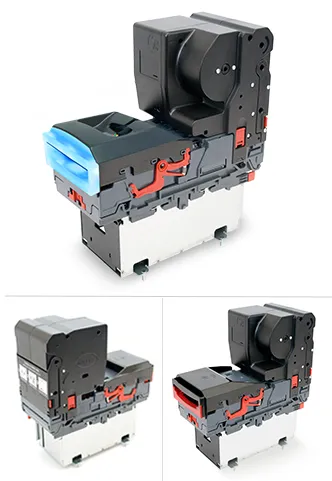
Quick answer: King Charles III Bank of England notes have circulated since 5 June 2024 alongside the current Queen Elizabeth II notes. That does not establish that a particular vending-machine validator recognizes both designs. Identify the installed validator and its supported currency data, ask its supplier about compatibility, and verify the denominations and note designs your machine is intended to accept. Check the complete cash purchase, not just whether a note enters the slot.
For an operator buying, importing or recommissioning a cash-equipped vending machine, “accepts pounds” is too broad to be the final acceptance criterion. It leaves open which banknotes are supported, which denominations are enabled, how the machine records credit and what happens if the customer cannot finish a purchase. A clear equipment record and a small, controlled test plan turn that general statement into something the buyer can assess.
| Define the note scope | Build the acceptance record |
Separate valid banknotes from validator compatibility
The Bank of England states that the King Charles III portrait appears on its £5, £10, £20 and £50 notes, with no other changes to the existing designs. It also states that current Queen Elizabeth II notes continue to co-circulate and do not need to be exchanged merely because the new portrait has appeared. Do not tell customers that all Queen Elizabeth II notes became unusable when the King Charles notes launched.
The Bank's guidance separately addresses machines that accept, sort or check banknotes: if they have not already been updated for the new notes, the machine supplier can advise. This distinction matters. A bank's description of a circulating note is not a compatibility certificate for a particular validator, software version or vending installation.
Keep this guide's scope clear: it concerns the cited Bank of England note designs. A statement about these notes does not prove acceptance of every note issued elsewhere in the UK, an obsolete paper series, foreign currency or a denomination the operator has chosen not to enable. Ask the supplier to list the actual supported notes rather than writing “all sterling accepted.”
Identify the installed cash equipment before requesting an update
Record the vending-machine model and equipment reference, then the validator manufacturer, model and serial number from the actual installed unit. If a recycler or a separate change device is fitted, identify that too. A photograph of a similar machine is not enough: previous operators may have replaced components during the equipment's life.
Ask the responsible supplier how the installed currency dataset or software version can be identified through its authorized procedure. Some details may be available to a technician rather than the operator. Do not open protected equipment or attempt a firmware change simply to complete a checklist. A clear photograph, a service reference and the machine's symptom may be enough to start the enquiry.
| Question | Useful evidence | What it does not prove |
|---|---|---|
| Which validator is installed? | Readable model and serial label, matched to this machine. | That every unit of the same cabinet model has the same validator. |
| Which notes are supported? | Supplier confirmation for the device, relevant note designs and currency data. | That every supported denomination is enabled in this installation. |
| Is an update needed? | Supplier decision tied to the actual version and equipment. | That another manufacturer's download is suitable. |
| Does the purchase complete correctly? | Controlled acceptance, credit, sale and cash-record results. | That insertion alone confirms correct pricing or change. |
Volumatic's 2024 preparation notice provides a useful example of model dependence. It described software action for specified recognition products while distinguishing its CountEasy money-counting scales. That historical notice is not a Micron service instruction. Its product names, update files and procedures must not be substituted for the installed validator supplier's guidance.
Agree denominations and customer outcomes before testing
The Bank of England issues four denominations in the King Charles design. That does not mean an operator must configure a vending machine to accept all four. Agree which denominations are appropriate for the product prices and the actual cash system. For example, the presence of a note reader does not establish that the installation can return an inserted note or dispense change.
Define what the customer should see when a denomination is intentionally disabled, when exact payment is required and when the machine cannot provide change. Verify those outcomes against the actual equipment and operating policy. Customer-facing instructions should match the tested configuration, not a generic payment icon or a supplier photograph.
Use a note-design and transaction acceptance record
Have the responsible operator or technician plan a controlled check with genuine circulating notes and the supplier's approved method. Record the relevant design and denomination separately. Do not infer support for one denomination from a successful test of another. Equally, one successful note is a useful observation, not a universal acceptance-rate guarantee.
| Record field | What to capture |
|---|---|
| Equipment | Machine reference, installed validator model/serial and confirmed version or service case. |
| Test scope | Bank of England design, denomination, enabled status and note condition observed. |
| Insertion outcome | Accepted or returned, displayed message and whether expected credit appears. |
| Purchase outcome | Selected item, displayed price, credit deducted and product delivery. |
| Remaining value | Actual change, return or other supported outcome against the agreed configuration. |
| Cash record | Relevant machine transaction reference, cash movement and person reconciling the test. |
| Release decision | Pass or unresolved issue, responsible contact and evidence needed before release. |
Where both portrait designs are within the agreed support scope, include both in the plan. Keep old-paper-series questions separate from current polymer-note testing. If the operator does not have an appropriate genuine sample, record that part as untested and ask the supplier how to complete verification. Do not mark a blank test cell as passed.
A full purchase check should connect acceptance to the correct credit and product price. If the installation provides change or a supported return function, check the relevant permitted path with the responsible team. Reconcile the money and test sales afterwards so a service test does not become an unexplained cash variance.
Investigate rejection without guessing its cause
A returned note is an observation. By itself, it does not establish a counterfeit, a failed update or a broken validator. Record the device, denomination, design, message and circumstances. Ask the authorized supplier to diagnose the result using its instructions, including any inspection or cleaning it specifies.
Do not alter recognition or security settings simply to increase acceptance. Do not repeatedly force notes into a slot or use an unofficial software file. If acceptance is inconsistent, keep the issue open with clear evidence and suitable customer instructions. If a genuine-note check is needed, follow the Bank of England's current public guidance rather than treating a vending rejection as authentication.
After an authorized update or service intervention, repeat the affected tests and any regression checks the supplier requires. Confirm that the previously supported notes and intended purchase outcomes still work. Save the supplier confirmation and final results with the machine record so a future buyer or service team can distinguish verified work from an old promise.
Ask Micron for a configuration-specific cash acceptance scope
For a proposed Micron machine, state the intended country, product prices, desired payment methods and required Bank of England note designs and denominations. Ask for the actual validator configuration, support route and acceptance test scope. Do not assume a cashless-only configuration includes a banknote reader or that an overseas installation supports UK notes without the appropriate equipment and setup.
For an existing machine, include the equipment reference and installed validator details. Micron and WEIMI belong to the same company; confirmation should still identify the equipment and service scope being discussed. Request a written answer on the relevant configuration rather than general assurance that the machine accepts local currency.
Frequently asked questions
On 5 June 2024. This is an existing note design, not an upcoming launch.
The Bank of England says they continue to co-circulate and do not need to be exchanged for the new portrait.
No. Obtain confirmation for the installed validator and currency data, then verify the agreed note scope.
The Bank's list of issued denominations is not a machine configuration requirement. Agree enabled denominations with the supplier and operator.
No. Record the rejection and investigate through the supplier. Use the Bank's public guidance for checking notes.
Use only the authorized procedure for the actual device and version. The cited Volumatic notice is not an instruction for a Micron installation.
No. Confirm the installed cash equipment and supported return or change behavior separately.
No. Record the relevant designs, enabled denominations and transaction outcomes. One observation does not establish every combination.
Mark that part untested and agree a completion method with the supplier. Do not record an unperformed test as passed.
Keep equipment identification, the supplier's decision, authorized work reference, final test results and any unresolved conditions.
References
- Bank of England: King Charles III banknotes — circulation, denominations, co-circulation and advice for machine operators.
- Bank of England: How to check your banknotes — public note-checking guidance linked from the Bank's King Charles page.
- Volumatic: 2024 preparation notice — historical, product-specific equipment update example, not a Micron update procedure.


