
 Deutsch
 Español
 Français
 lingua italiana
 ไทย
 Tiếng Việt
 العربية
 한국어
 Pусский


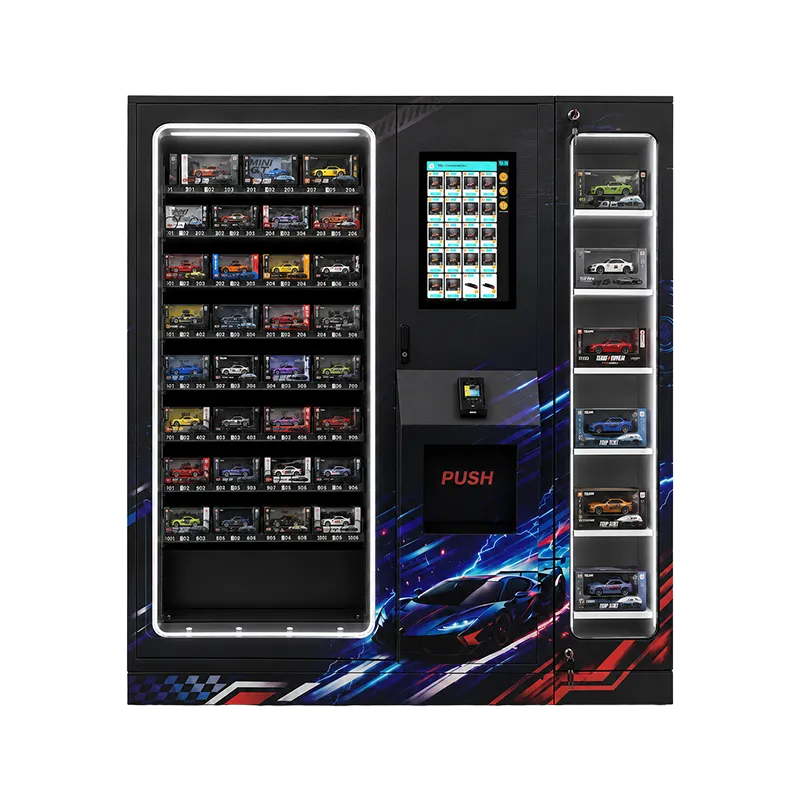
Quick answer: Buying a vending machine with a card reader attached does not, by itself, establish that you can accept payments through it. Identify the machine, payment device and responsible providers separately. Before relying on cashless sales, obtain confirmation of the permitted device transfer, the receiving merchant account, machine-platform access and the responsibilities for transactions around the handover. Use the payment provider's current process for the relevant country.
A used machine may power on, show products and even complete a demonstration under the seller's account. That demonstrates operation at that moment; it does not prove the buyer can operate the reader under a different business. The important purchasing question is not simply whether a terminal is present. It is whether the proposed buyer can use that exact device, with the intended service arrangements, after the sale.
| Separate the records | Prepare the handover |
Separate the cabinet, operating platform and payment device
Record the manufacturer's machine model and equipment reference, then identify the installed payment device from its own label. A cabinet serial number, a vending-platform machine ID and a reader serial number can refer to different objects. Do not use one number as a substitute for another without confirmation from the relevant provider.
| Part of the purchase | What to establish | Evidence to request |
|---|---|---|
| Physical machine | Which cabinet and installed components are included in the sale. | Equipment reference, photographs and agreed asset list. |
| Machine-management platform | How the buyer obtains authorized access and what service arrangements continue. | Provider-approved reassignment or new-account confirmation for the machine ID. |
| Payment reader | Whether the exact device is eligible for the proposed receiving account and country. | Device serial number and payment-provider or authorized reseller confirmation. |
| Merchant and settlement arrangements | Who accepts payments and receives settlement after the agreed change. | Approved account status and the provider's confirmation of the applicable arrangement. |
| Site operation | Who can operate at the location and support customers. | Separate site and service handover records where applicable. |
A supplier's workflow illustrates why these records need separate attention. VTM's machine-transfer help article describes reassignment of its own machine dashboard and service responsibilities as well as a separate Nayax reader-transfer process. That is evidence about VTM's system, not a description of every Micron machine. Its fees, processing estimates, default identifiers and hardware settings must not be copied into another installation.
Establish the correct regional transfer route before purchase
Ask the seller which organization supplied and currently supports the reader. Then consult that provider's current regional guidance. A transfer route described in a forum, a seller's old instructions or another country's support page may not apply to the device being offered.
For example, Nayax's UK and Ireland device-transfer guide expressly describes a reseller-led process: the original reseller initiates the transfer. It asks the selling operator to prepare device serial numbers, an Operator ID and information about outstanding balances. A buyer who is new to Nayax must complete the required onboarding and verification before activation. These are UK and Ireland requirements from that guide, not a global checklist for all payment providers.
The same regional guide treats devices purchased outside the UK as a special case involving supplier documentation. That is a reason to verify an imported reader before assuming it can be assigned locally. It does not establish that every imported device is prohibited, compatible or immediately transferable. Obtain a decision on the actual serial number and intended account.
A working demonstration is different from completed onboarding
Ask what account a demonstration uses and who owns the resulting transaction. A successful sale through the seller's existing account can help show that hardware communicates in its current setup. It does not confirm the buyer's onboarding status, future settlement destination or access rights.
Do not solve this by accepting shared passwords, copying the seller's login or informally changing bank details. The parties should follow the authorized account and device process. Sensitive business verification documents belong in the provider's approved channel, not in a publicly shared equipment checklist or general product enquiry.
Keep the purchasing record limited to useful status evidence: the responsible organization, case reference, required next action and confirmation received. The payment provider determines which documents and checks are required. This guide does not set a universal activation time or promise approval.
Agree a handover record for transactions and responsibilities
Choose an operational cutoff with a date, time and time zone, and ask the relevant providers how that cutoff relates to their actual transfer. The commercial sale date, physical collection and account reassignment need not occur at the same moment. Write down what remains pending rather than calling every step complete when the cabinet changes hands.
| Handover field | What to record |
|---|---|
| Assets | Cabinet reference, platform machine ID, reader model and serial number, and included accessories. |
| Provider route | Responsible payment provider or reseller, regional process and transfer case reference. |
| Receiving operator | Confirmation that the intended buyer's account is ready for the required step; keep private verification documents outside the general record. |
| Cutoff | Agreed date, time and time zone; actual completion timestamps reported by the providers. |
| Open transactions | Responsible contact and references for unresolved refunds, disputes, fees or settlement questions. |
| Release checks | Confirmed access, device assignment, permitted test results and the person authorizing sales. |
Agree who responds when a customer contacts the new operator about a pre-handover purchase. Ask the payment provider how historical transactions remain accessible to the authorized party. Do not assume that transferring a device also transfers all historical records or removes prior responsibilities. Retain records only as permitted by applicable requirements and the service arrangements.
Discuss ongoing subscriptions, connectivity and support separately. A physically included SIM or reader does not establish the buyer's right to use its previous subscription. Likewise, a machine-platform subscription and payment-service subscription may have different terms. Ask for a clear list of what continues, what requires reassignment and what requires a new agreement.
Release cashless sales only after the relevant confirmations
After the authorized transfer steps, verify that the receiving operator can see the intended device and machine in the appropriate systems. Confirm the provider's reported account status and follow its permitted test procedure. Match a controlled test purchase with the correct machine, item, payment reference and authorized operator view. A test should be planned and handled by the responsible merchant team.
If the machine was moved, check destination connectivity and equipment installation under the manufacturer's instructions as a separate task. A payment-account change does not prove that transport, power, local network or product dispensing has been checked. Conversely, a correctly installed machine does not establish payment-account readiness.
Record expected and observed results. If the reader remains assigned to the wrong operator, cannot activate or produces an unclear transaction result, leave that issue open with the relevant provider. Avoid repeated uncontrolled purchases as a substitute for diagnosis. Do not advertise the machine as ready for cashless trading while an essential account step remains unresolved.
Ask Micron about the exact equipment and service scope
When evaluating an identified Micron machine, provide its equipment reference, intended country, installed reader details and the seller's description of what is included. Ask which machine-platform services and support arrangements can apply to that equipment. Confirm payment-device questions with the actual payment provider or authorized reseller as well.
Micron and WEIMI belong to the same company. Brand identity does not replace verification of a particular used cabinet, reader or account. A general product description is not evidence that a previously installed third-party terminal is approved for a new owner. Keep the purchase assessment tied to the actual assets and the written service scope.
Frequently asked questions
No. Confirm that the exact reader can be used by the intended merchant under the applicable provider and regional process.
Usually you need to distinguish the cabinet reference, machine-platform ID and payment-device serial number. Ask each provider which identifier it requires.
No. It can demonstrate operation under the current setup; the buyer's account readiness and device assignment require separate confirmation.
Use the provider's authorized access and transfer process instead of shared credentials. Confirm access rights with the responsible service provider.
Do not assume so. The cited UK and Ireland guide specifically uses a reseller-led process; use the current guidance for the relevant region.
Confirm eligibility and required documentation for that device and destination. The cited UK guide describes a supplier-documentation step for devices bought abroad.
Not necessarily. Establish how the machine-management platform and payment device are handled, and obtain confirmation for each relevant system.
Agree the responsible contacts and ask the payment provider how the authorized party can manage historical transactions. Do not assume responsibility changes automatically.
No universal figure is established here. Obtain the applicable provider's requirements, charges and estimate for the actual case.
After the required account and device confirmations, authorized access and permitted operating tests are complete, with unresolved issues assigned to an owner.
References
- Nayax UK & Ireland: Device Transfer Guide — regional reseller-led transfer and onboarding requirements.
- VTM: Machine Transfer — an example of machine-platform and payment-reader transfer being addressed separately; its commercial terms apply to VTM.


