
 Deutsch
 Español
 Français
 lingua italiana
 ไทย
 Tiếng Việt
 العربية
 한국어
 Pусский


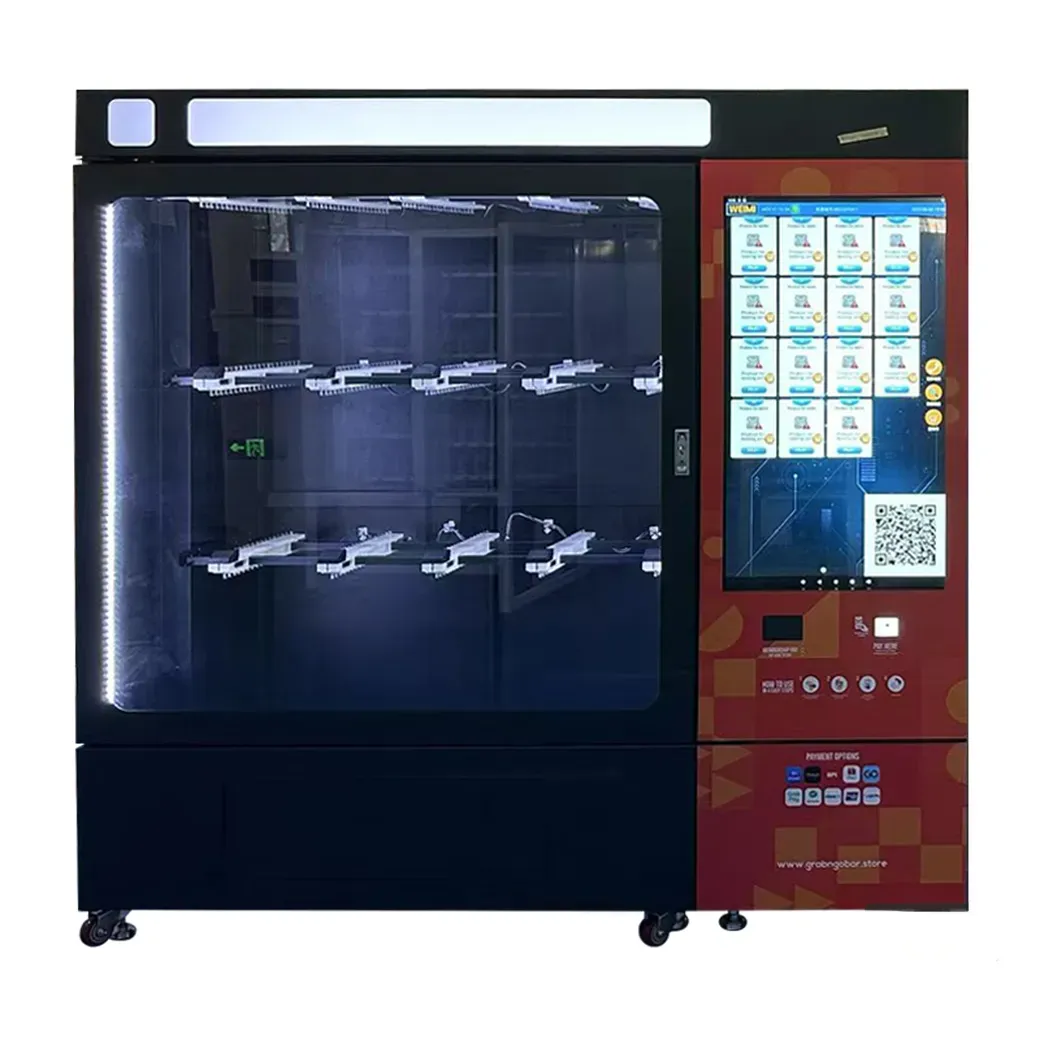
Quick answer: A wrong-size complaint is not automatically a dispensing error. First compare the selected garment variant, the package delivered and the customer's fit concern. Handle a wrong item, a garment that does not fit and a failed delivery as separate cases, using the seller's applicable policy and local consumer requirements. A machine sale still needs an identifiable business and a practical support route.
Clothing vending removes the staffed checkout, but it does not remove the need to explain sizes or resolve a purchase problem. A customer might choose medium and receive medium yet find it unsuitable. Another might select medium and receive large. Those situations require different evidence and different operational corrections. Treating both as “size returns” can hide a refill or catalog mistake.
| Classify the request | Build the handover record |
Separate fit concerns from fulfillment errors
Start with what the customer says happened, without deciding liability from the first message. Ask for the cabinet or location, purchase time, order or receipt reference, selected product and the issue. Where useful, request a photograph of the package label and garment label. Avoid collecting unrelated personal information or complete payment-card credentials.
| Reported problem | Evidence to compare | Operational question |
|---|---|---|
| Selected size arrived but does not fit | Selected variant, delivered label and size information shown at purchase. | Was the sale accurate, and what applicable fit-return route does the seller provide? |
| Different size, colour or model arrived | Order line, package identity, loading position and approved slot map. | Did selection, labeling, loading or dispensing become mismatched? |
| Package contains a differently labeled garment | Outer SKU, inner label and supplier batch information. | Is the issue within the packaged product rather than the machine selection? |
| No usable item was collected | Order status, delivery evidence available to authorized staff and customer report. | Was there a failed delivery or another retrieval problem? |
| Damaged or otherwise faulty garment | Reported condition, relevant photographs and transaction reference. | Which product-quality procedure and applicable rights govern the case? |
This classification is a support tool, not a rule that limits a customer's statutory rights. UK government guidance, for example, distinguishes faulty or misdescribed goods from some change-of-mind situations and treats distance sales separately. Those UK rules are a market-specific reference, not a universal vending policy. The responsible merchant should review the policy for the destination market, including how vending purchases are treated. Do not assume that every unattended purchase follows online-shopping return rules, or that a “no returns” sign overrides applicable law.
Make the exact variant clear before payment
A product name such as “black T-shirt” is insufficient if several cuts, sizes or packs are sold. Define a saleable variant using the attributes that distinguish it: model, fit or cut, size, colour and pack quantity. Give each variant an unambiguous identifier in the stock and loading records. The physical package should be identifiable without opening it during refill.
Show the customer's selection in plain terms before payment, including relevant sizing information and the number of garments supplied. Keep the units and measurement method clear when publishing a size chart. Do not silently substitute a different size system or promise that a letter size has the same fit across unrelated garment ranges. Obtain the garment supplier's approved sizing information.
A photograph should represent the offered garment and variant accurately. If a shared photograph illustrates several colours or sizes, the selected attributes must still be explicit. Ask the equipment supplier to demonstrate the actual selection screen; do not infer variant handling from a generic snack-machine screen.
Write a return route the operating team can deliver
Specify who receives a request, how the customer contacts that business, where an approved item is returned and who communicates the outcome. If the cabinet has no confirmed return intake, do not tell customers to put garments into a collection opening or leave packages beside it. A staffed desk, store or mail process only works when that route is actually agreed and explained.
Distinguish a request from an approved resolution. Staff should record whether an exchange, refund, replacement or another action is being considered, who can authorize it and which references link it to the original purchase. Do not promise that a replacement size is available until its stock and retrieval arrangement are confirmed.
Celestra's account of retail vending describes a historical Uniqlo example with store or mail returns. That illustrates a support route outside the cabinet; it does not establish current Uniqlo terms, a Micron installation or a policy another retailer may copy. Design the route for the actual seller, market and operating hours.
Keep one record from complaint to closure
Use an incident reference that the customer and the next support colleague can quote. The record should connect the reported issue to the order and physical variant, while separating observed facts from a proposed cause. “Receipt says M, package label says L” is a useful fact; “the motor selected the wrong size” is a diagnosis that still needs evidence.
| Record block | Useful fields |
|---|---|
| Purchase | Cabinet/site, date and time with time zone, order reference, selected variant and quantity. |
| Delivered item | Outer package SKU, garment label where relevant, reported condition and approved evidence references. |
| Classification | Fit concern, variant mismatch, package mismatch, failed collection or quality concern; unanswered questions. |
| Resolution | Applicable procedure, authorized action, responsible person, return or replacement arrangement and payment-team reference if relevant. |
| Closure | Customer update, outcome, stock disposition, affected configuration and any verification still outstanding. |
Do not merge an exchange into a new sale without retaining the connection. Otherwise the team may see an unexplained stock movement or repeat the same correction. Keep payment processing with the authorized merchant team and use the actual provider's procedure. This article does not prescribe a universal refund time.
Investigate a variant mismatch before the next refill
Preserve the relevant loading map and product settings before making an authorized correction. Compare the displayed choice, catalog variant, physical position and packaged stock. Check whether the remaining units in an affected position carry the same label. Follow the supplier's safe access procedure; a customer complaint is not permission to reach into powered mechanisms.
If the offer cannot be trusted, use approved controls to stop affected sales while the mismatch is investigated. Correct the specific cause and verify the intended selection through collection with the actual packaged variant. Record the expected and observed result. Extend the checks to other affected positions where the same configuration or refill error could apply.
Keep returned stock separate until the responsible team has assessed its condition, identity and eligibility for resale. A sealed-looking package or a customer's description alone does not establish that it can be returned to sale. Follow the retailer's approved quality and stock-control process.
Include after-sales handling in the equipment brief
When discussing a clothing application with Micron, provide the garment range, saleable variants, final packages, proposed loading arrangement and the support route. Ask for a demonstration that connects selection to the exact item collected and shows the order information available to the authorized operator. Confirm functionality for the proposed configuration instead of assuming every machine supports the same workflow.
Micron and WEIMI belong to the same company. The company's clothing-vending buying discussion explains the need for a focused range and package-specific assessment. This incident workflow adds an operating record for post-purchase issues; it does not replace that assessment or create a retailer's return policy.
Frequently asked questions
No. Compare the selected variant with the delivered labels. A correctly supplied size can still be unsuitable for the customer.
Location or cabinet, purchase time, order reference, selected garment and reported problem. Request label evidence when relevant without collecting unrelated private information.
Only if a specific return intake and process are confirmed. Otherwise give the seller's agreed support and return route.
The responsible merchant must assess applicable consumer requirements. A sign or this guide does not override statutory rights.
Use an unambiguous identity for every saleable variant so the displayed choice, package and loading record can be reconciled.
Record both identities and escalate through the product-quality or supplier process. Do not assume the machine's dispensing mechanism caused an internal packaging error.
Use approved controls to stop the affected offer when its identity cannot be trusted, and verify the correction before release.
Have the responsible team assess identity, condition and resale eligibility under the retailer's procedure first.
No. Demonstrate the actual system and confirm the records and access available for the proposed configuration.
When the authorized outcome, customer communication, stock disposition and any equipment correction are recorded, with an owner for remaining work.
References
- WEIMI: Clothing vending buying lessons — company discussion of variants, sample handling and support routes.
- Celestra: Retail vending machines — historical retail example describing returns outside the cabinet, not current merchant terms.
- GOV.UK: Accepting returns and giving refunds — UK guidance on product faults, change of mind and different sales channels.


