
 Deutsch
 Español
 Français
 lingua italiana
 ไทย
 Tiếng Việt
 العربية
 한국어
 Pусский


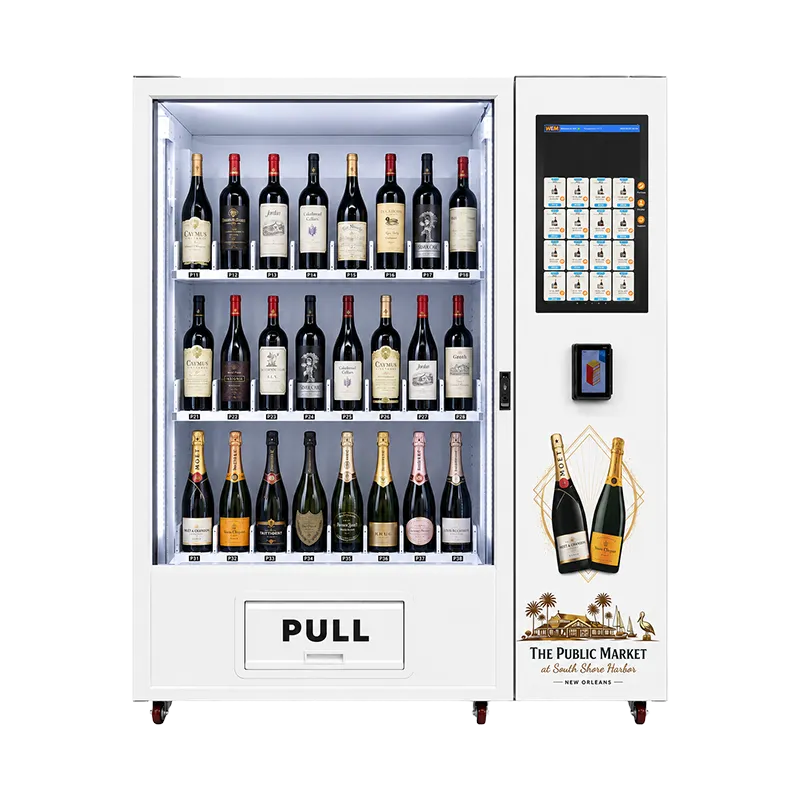
Quick answer: Before shipping a vending machine to the Philippines, compare the exact machine's voltage, frequency and phase rating with the proposed installation supply. A matching plug, a working screen or a small power supply marked “50/60 Hz” does not establish compatibility for the complete cabinet. Obtain written manufacturer confirmation for the quoted configuration and have a qualified electrical practitioner verify the site before connection.
| Compare the nameplates | Buyer FAQ |
Read voltage and frequency as separate requirements
A vending machine bought overseas can look ready for installation while its electrical specification still needs clarification. Philippine electrical engineer Ver M. Pangonilo describes the country's nominal single-phase supply as 230 V, 60 Hz. That is a starting point for a purchasing conversation; it is not a substitute for checking the actual building supply, machine rating and installation requirements.
Voltage is expressed in volts (V), frequency in hertz (Hz), and phase describes the supply arrangement. Record all three rather than shortening the requirement to “Philippines power.” Ask the site electrician to verify the circuit, earthing, protective devices and connection arrangement against the manufacturer's instructions. Do not select a breaker, cable or adapter from an article or a photograph.
The examples below illustrate purchasing decisions. They are not Micron product specifications or permission to energize equipment.
| Evidence supplied | What it establishes | Action before shipment |
|---|---|---|
| Complete machine: 230 V, 60 Hz, single phase | A nominal rating aligned with the stated destination requirement | Confirm the exact configuration, allowed supply range and site installation requirements in writing |
| Complete machine: 220–240 V, 50 Hz only | A voltage range; no stated 60 Hz approval | Hold acceptance until the manufacturer resolves the frequency mismatch for this build |
| Screen power supply: 100–240 V, 50/60 Hz | The rating of that component | Request the complete machine rating and confirmation covering the other fitted loads |
| Quotation: “suitable for Philippines” | A general sales description | Add explicit voltage, frequency, phase and model/configuration identification to the agreed specification |
| Unreadable plate or conflicting documents | Insufficient or inconsistent identification | Request clear photographs and corrected documentation before releasing the machine |
Check the cabinet rather than one convenient label
A refrigerated machine may include cooling equipment, fans, lighting, a screen, dispensing mechanisms and payment hardware. An accessory label does not describe every electrical load in the cabinet. Ask the manufacturer to confirm that the complete assembled configuration is rated for the destination supply, including fitted refrigeration or heating options.
Do not assume every 50 Hz component must be replaced, or that every component will operate correctly at 60 Hz. The answer depends on the actual components and their approved application. A brief video showing the screen switched on also leaves cooling, dispensing, restart behaviour and the complete assembly unverified.
Useful question for the supplier: “Please confirm that quotation [reference], model [model] and its fitted cooling/heating/payment configuration are suitable for [verified voltage], 60 Hz, [verified phase]. Please provide the complete-machine rating plate, installation instructions and the applicable factory test record.”
Build a shipment acceptance file
At quotation stage, identify the model and ordered options. Before dispatch, add photographs of the actual unit, its serial number and readable complete-machine rating plate. Keep the written supply confirmation with the final specification, manual and relevant factory test record. A generic catalogue image cannot identify the unit being shipped.
Ask what the factory test actually covered: the supply used, the fitted configuration and the functions checked. Where refrigeration is fitted, request the manufacturer's applicable cooling test information and acceptance criteria. A test record for a different variant is not proof for the ordered cabinet. Avoid inventing a universal test duration or promising a particular cooling result.
If the plate, order and confirmation disagree, resolve the discrepancy before dispatch. Record the corrected configuration and any revised documentation. If a change is proposed after arrival, obtain the manufacturer's approved procedure and qualified local assistance before work begins; do not treat wiring changes as an operator task.
Keep supply compatibility separate from site readiness
A correct machine rating does not establish that a particular outlet or circuit is ready. Arrange a site check with a qualified electrical practitioner before delivery. Give them the manufacturer's requirements, expected installation location and details of other loads on the proposed circuit. Keep the resulting site record with the machine documents.
A transformer changes voltage; it does not, by itself, change supply frequency. A plug adapter is also not evidence of electrical compatibility. Where the manufacturer has not accepted the available supply, postpone connection and resolve the specification. This avoids making the installation team discover an unresolved purchasing issue at commissioning.
Preparing a Philippine vending project? Browse Micron's vending solutions and send the model, ordered options and verified site supply for configuration confirmation. Ask for evidence for the quoted machine; availability of a particular electrical variant must be confirmed for that order.
Buyer FAQ
The cited Philippine engineer describes nominal single-phase supply as 230 V, 60 Hz. Have the actual site's voltage, frequency and phase verified, then include them explicitly in the order.
No. The manufacturer's permitted supply range and the verified site supply must be compared. Ask for written confirmation rather than deciding from a rounded voltage description alone.
Only for the component identified by that label. It does not establish approval for refrigeration, motors, heating options or the complete assembled cabinet.
Do not infer 60 Hz compatibility. Ask the manufacturer to resolve the mismatch and provide the correct build specification and documentation before acceptance.
A transformer changes voltage, not frequency. Any proposed supply solution needs manufacturer acceptance and qualified electrical assessment.
No. Plug fit does not verify the machine rating, earthing, protective devices, circuit suitability or other installation requirements.
Request the actual unit, serial identification and readable complete-machine rating plate. Ask for additional component evidence when the manufacturer needs it to explain the configuration.
The machine or applicable configuration, test supply, functions checked and the manufacturer's relevant acceptance criteria. Clarify any missing link to the ordered unit.
Keep the machine disconnected until the supplier and qualified installer resolve the inconsistency. Keep the corrected instructions and confirmation in the acceptance file.
This article makes no universal availability claim. Confirm the electrical variant for the exact model and fitted options in the quotation before ordering.
References
Ver M. Pangonilo, Filipino Engineer: Will It Run at 60 Hz? — voltage/frequency distinctions and rating-label guidance. Appliance examples do not certify a vending machine.
Micron Vending — company product enquiry destination. The final quotation and actual machine documents govern configuration acceptance.


