
 Deutsch
 Español
 Français
 lingua italiana
 ไทย
ไทย Tiếng Việt
 العربية
 한국어
한국어 Pусский

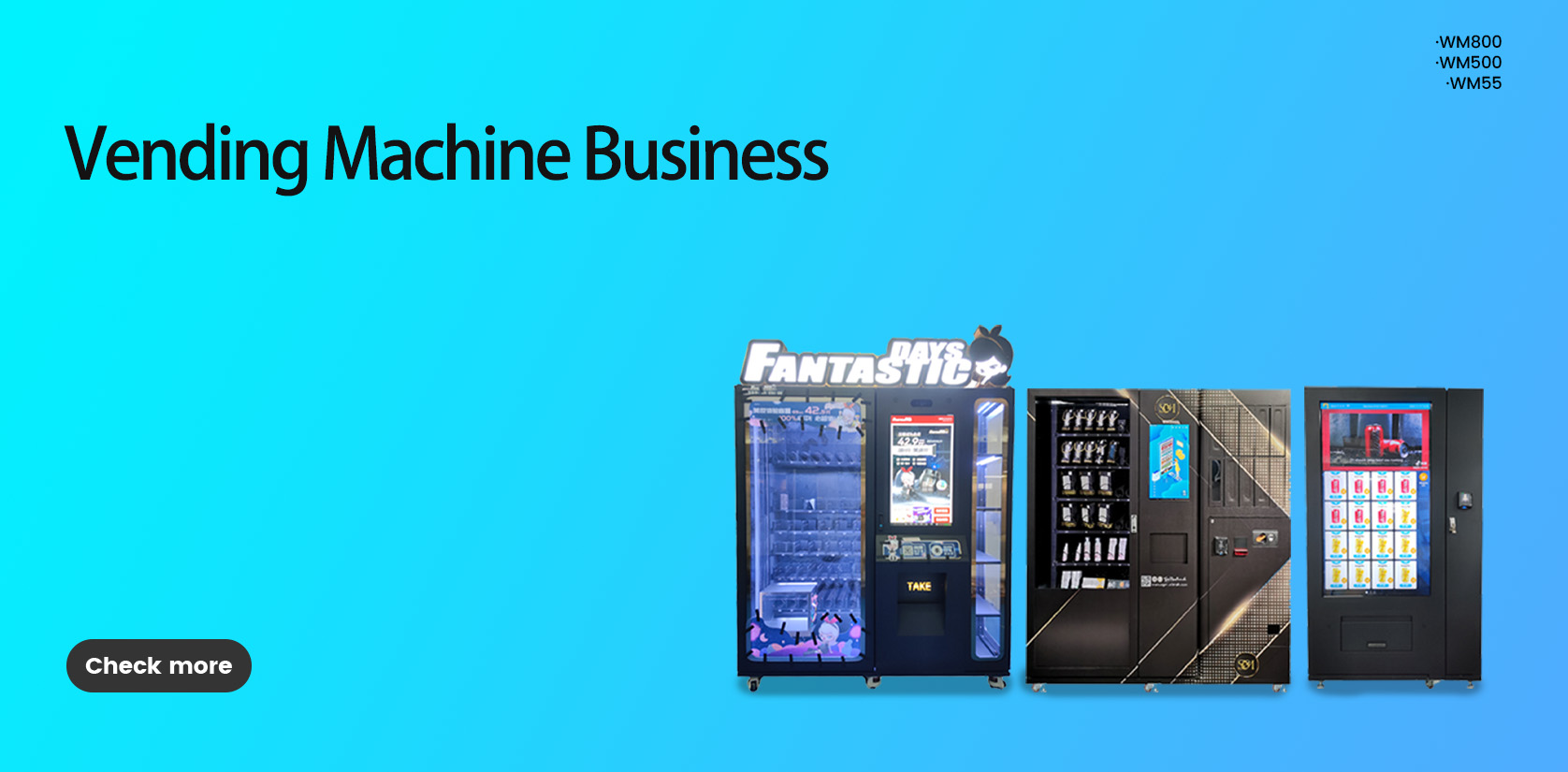
Starting a vending machine business is an exciting way to enter the world of entrepreneurship with relatively low startup costs and flexible options for scaling. Here’s a step-by-step guide to help you set up and manage a successful vending machine business.
1. Market Research and Location Selection
Before investing in vending machines, conduct thorough market research. Determine trends in demand, popular products, and competition in your target area. Some vending machines perform best in high-traffic locations such as schools, gyms, hospitals, or corporate offices. Identify places where people have quick purchasing needs and match your product selection accordingly. For example, placing snack and drink machines in office buildings or placing toy machines near family areas can maximize sales.If you are interested in the types of vending machine products, you can click here to view more:

2. Choosing the Right Products
Choosing products that suit the location and appeal to your target audience is essential. Common items include snacks, drinks, toys, and hygiene products. In recent years, specialty vending machines selling items like flowers, tech gadgets, or even blind boxes have gained popularity. By offering unique or high-demand products, you can stand out from competitors and attract more customers.
3. Calculating Costs and Setting a Budget
Start by calculating the startup costs for your vending business. These expenses include the vending machine itself, stock, location fees, permits, and maintenance. Set a budget and plan for both initial investment and ongoing costs, such as restocking and repairs. To maximize your budget, consider starting with a small number of machines and expanding as revenue increases.
4. Purchasing or Leasing Machines
Decide whether to purchase or lease your vending machines. Purchasing is often more costly upfront but gives you full control and ownership, while leasing is a more affordable way to get started but may come with restrictions. Many providers offer flexible options, so compare the prices, warranties, and additional services like installation and technical support.
5. Securing Permits and Compliance
Ensure you understand any required permits and health and safety regulations. Different locations may require specific licenses, especially for food or drink vending machines. Maintaining compliance with local laws will help you avoid fines and disruptions.
6. Setting Up Maintenance and Restocking Plans
Regularly maintain and restock your vending machines to keep customers satisfied and maximize profits. A solid maintenance schedule helps avoid breakdowns and ensures the machine’s cleanliness and functionality. Decide on a restocking frequency based on sales volume to keep up with demand without overstocking.
7. Marketing and Expanding Your Business
Once your machines are up and running, consider ways to attract more customers. Use visible signage, branded wraps, or promotional discounts to draw attention. Track sales data to see which products sell best and adjust as needed. As your business grows, think about expanding into additional locations or offering different products.
Conclusion
Starting a vending machine business can be a profitable venture with proper planning and management. By carefully selecting locations, products, and managing costs, you can build a successful business that grows over time.


