
 Deutsch
 Español
 Français
 lingua italiana
 ไทย
ไทย Tiếng Việt
 العربية
 한국어
한국어 Pусский

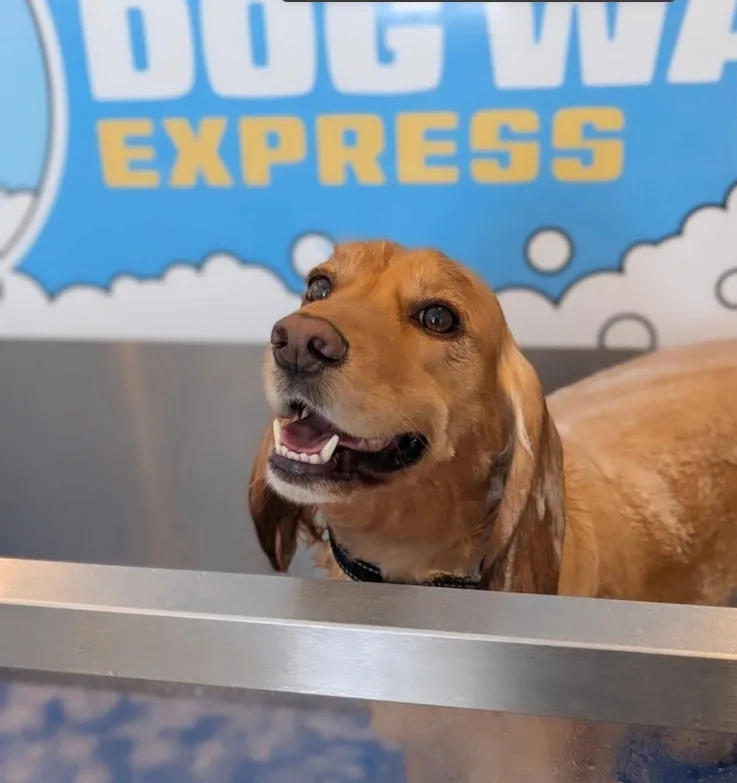
At its core, it is a standalone washing unit built for unattended use. Instead of relying on staff, the machine guides dog owners through the entire process with simple on-screen steps. Inside a small footprint, it combines temperature-controlled water, automatic shampoo delivery, and drying functions. The goal is not to imitate professional grooming, but to make basic dog washing easy, predictable, and available at any time—much like how self-service car washes changed vehicle cleaning years ago.
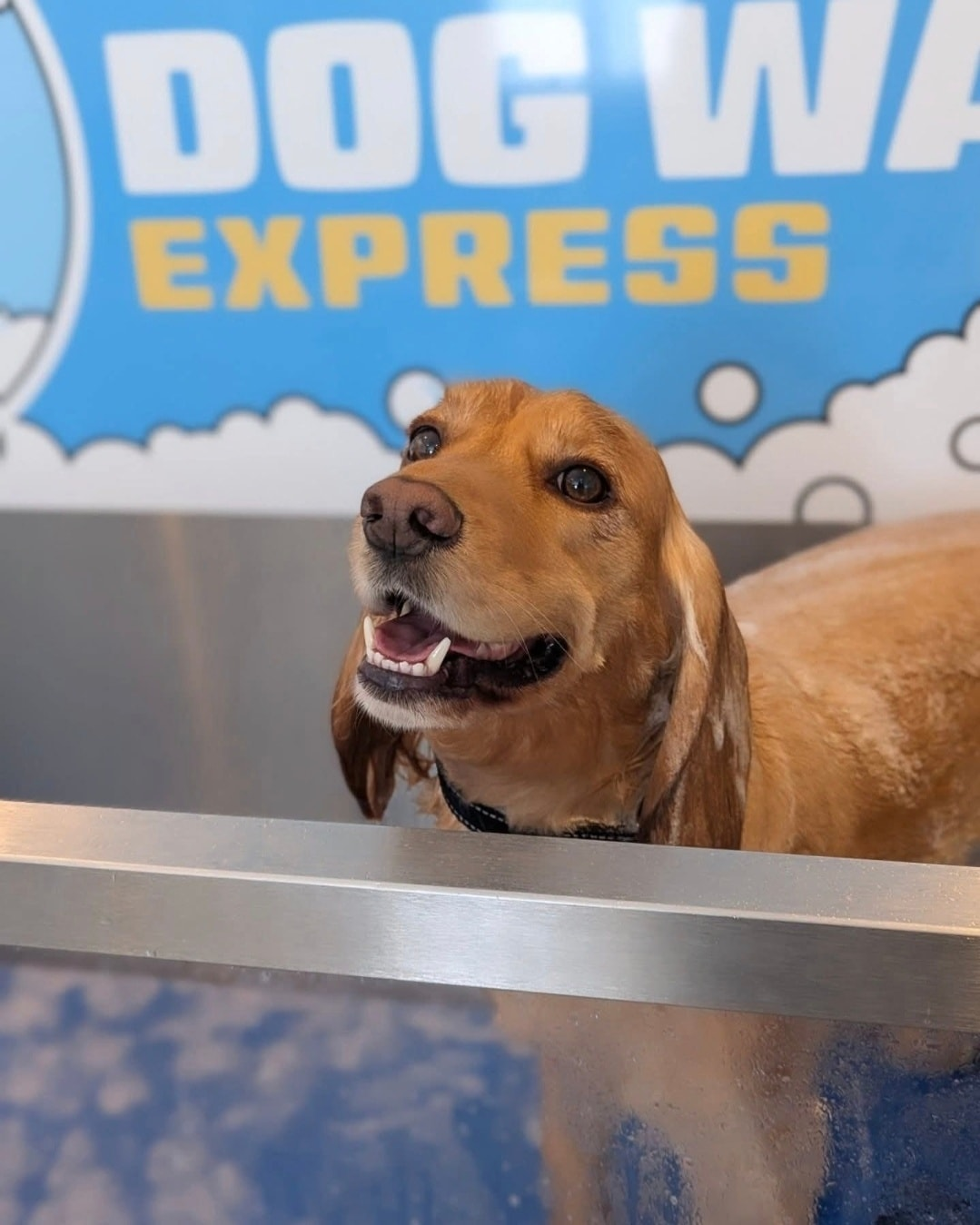
Why These Machines Appeared So Quickly
The rise of self-service dog wash machines is closely tied to how pets fit into modern urban life. Dogs are no longer kept for security or utility. For many owners, they are daily companions. As pet ownership increases, so does the need for frequent, basic cleaning. Traditional pet shops, however, often struggle with limited staff, crowded schedules, and rising service prices.
This gap between demand and capacity creates friction. Owners want a simple wash without booking days in advance, while store operators want to reduce labor pressure without sacrificing service quality. Self-service dog wash machines sit in the middle of this tension. They give owners control and flexibility, while allowing businesses to offer washing without adding staff or extending operating hours.
How It Fits Into Existing Businesses
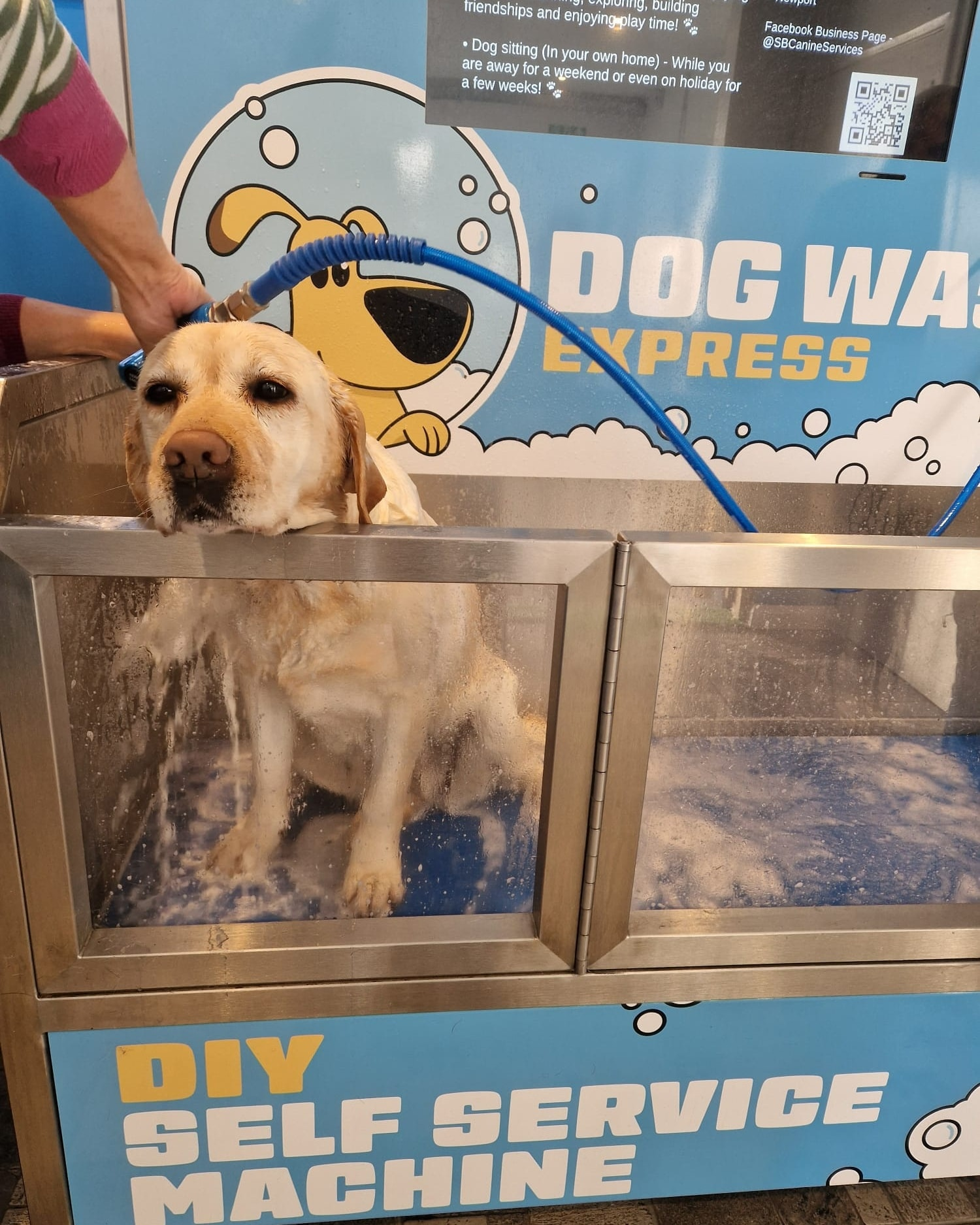
There is a common assumption that machines like this compete with groomers. In practice, they serve a different purpose. Basic wash-only requests take time but generate limited revenue when handled manually. By letting machines handle those tasks, groomers can focus on higher-value services such as styling, trimming, and specialty care.
In residential settings, the benefit is even more direct. Washing a dog at home usually means wet floors, hair in drains, and cleanup afterward. A shared machine removes that hassle. For property managers, it becomes a visible facility that residents actually use, whether through pay-per-use or membership access.
Car washes and roadside service areas see another advantage. While a vehicle is being cleaned, pet owners already have idle time. A dog wash placed nearby turns waiting into action, without changing traffic patterns or staffing needs. This kind of shared footfall has proven to be financially practical rather than experimental.
Why WEIMI Machines Are Built for Long-Term Use
Many machines on the market focus on appearance or quick deployment. WEIMI approaches the concept from an operational angle. The system is designed to stay functional over years, not months. Operators can manage updates, payment settings, and system adjustments remotely, reducing the need for on-site intervention.
The washing process itself is controlled by separate pumps for different liquids, allowing consistent dosing and reducing waste. Water temperature remains stable throughout the cycle, which matters more for animal comfort than most people expect. For operators with multiple locations, permission-based accounts make daily management easier while keeping revenue data secure.
An additional detail often overlooked is the display screen. During a wash, users naturally look at it. That attention can be used for brand messages or local advertising, creating an extra layer of value beyond washing alone.
Final Thoughts
A self-service dog wash machine is not defined by how advanced it looks, but by how well it solves everyday problems. It gives pet owners a clean, reliable way to wash their dogs without planning ahead, and it gives operators a service that runs consistently without increasing labor demands.
As these machines become more common, they stop feeling like a novelty and start functioning as basic infrastructure within pet-friendly spaces. The real discussion now is not whether the model works, but how to place and manage it properly.
If you are interested in learning more about our self-service dog wash machines, you can explore our website at ://weimipetstore.com/.


